
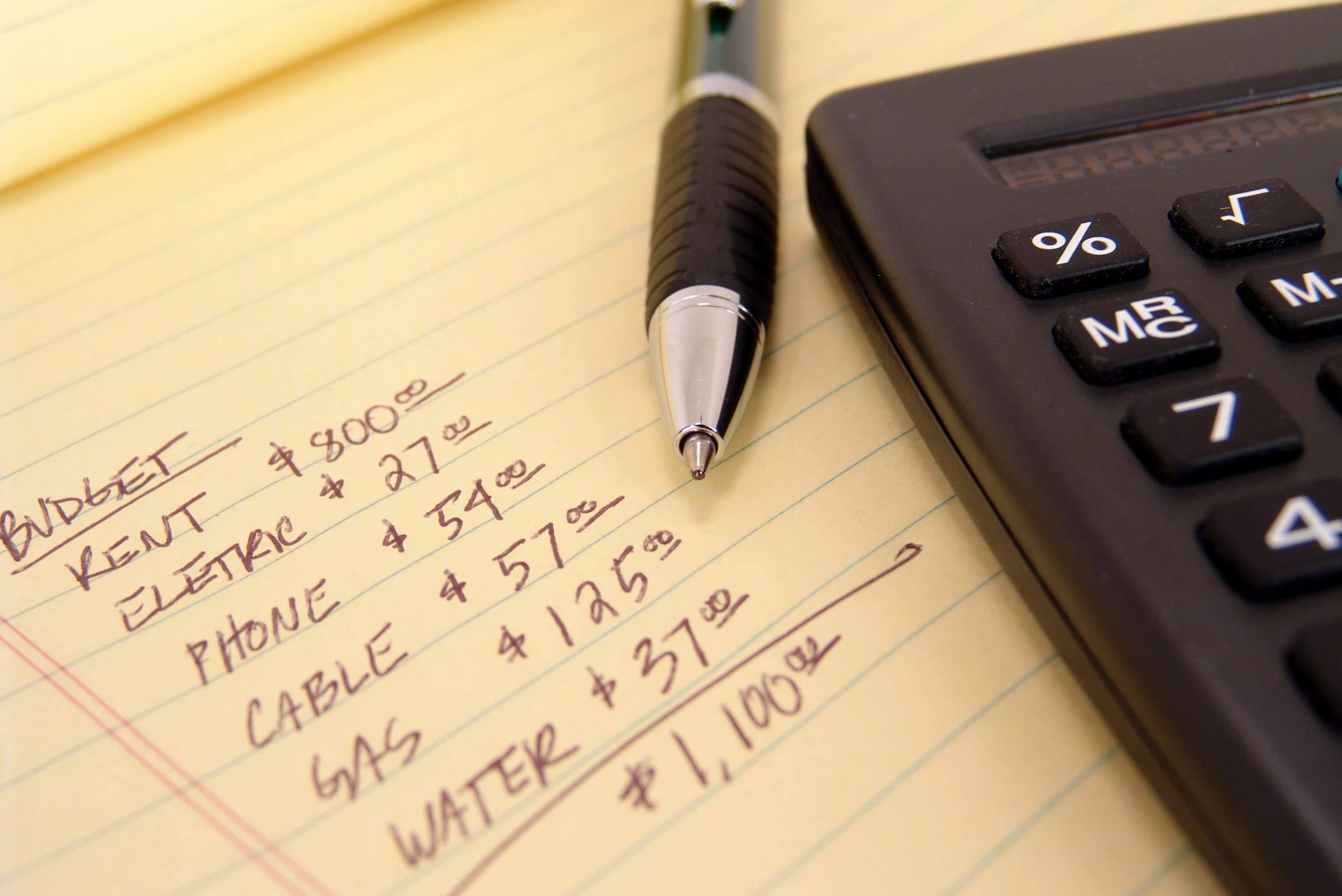
Creating a budget feels like a chore for most Americans, but it’s the cornerstone of financial freedom. Whether you’re a single professional in a bustling city, a parent juggling family expenses, or a freelancer with unpredictable income, a well-crafted budget can transform your relationship with money. The problem? Most budgets fail because they’re too rigid or don’t align with your unique lifestyle. In this guide, we’ll walk you through building a budget that sticks, using practical steps, real-world examples, and tools tailored to your needs. Let’s dive into how to make your money work for you.
Why Most Budgets Fail (And How to Fix It)
Budgets often flop because they’re based on generic templates that ignore your priorities. A 2024 survey by the National Foundation for Credit Counseling found that 60% of Americans abandon their budgets within three months, often citing unrealistic goals or lack of flexibility. The fix? Design a budget that reflects your life—your income, expenses, and goals.
Start by understanding your “why.” Are you saving for a dream vacation, paying off student loans, or building an emergency fund? Defining your purpose keeps you motivated. For example, take Sarah, a 30-year-old graphic designer in Chicago earning $60,000 a year. She wanted to save for a down payment but felt overwhelmed by generic budgeting apps. By customizing her plan, she saved $8,000 in 18 months without sacrificing her coffee shop visits. Here’s how you can do it too.
Step 1: Track Your Income and Expenses
Before you budget, you need a clear picture of your cash flow. Gather data from the last three months using bank statements, credit card records, or apps like Mint or YNAB (You Need A Budget). List all income sources—salary, side hustles, or passive income—and categorize expenses:
- Fixed expenses: Rent, utilities, subscriptions
- Variable expenses: Groceries, dining out, entertainment
- Irregular expenses: Car repairs, gifts, annual fees
For freelancers or gig workers, calculate your average monthly income to account for fluctuations. Tools like PocketGuard can automate this process, syncing with your accounts for real-time insights.
Step 2: Choose a Budgeting Method That Fits You
No single budgeting method works for everyone. Here are three popular frameworks, each suited to different lifestyles:
- 50/30/20 Rule: Allocate 50% of your income to needs (housing, bills), 30% to wants (dining, hobbies), and 20% to savings or debt repayment. Ideal for beginners or those with stable incomes.
- Zero-Based Budget: Assign every dollar a purpose, so income minus expenses equals zero. Perfect for detail-oriented people or those tackling debt, like Sarah, who used this method to prioritize savings.
- Envelope System: Use cash for specific categories (e.g., groceries, entertainment) to limit overspending. Great for hands-on budgeters who struggle with digital tracking.
Test a method for 30 days and adjust as needed. For instance, a family in Texas might use the 50/30/20 rule but tweak it to 60/20/20 to account for higher childcare costs.
Step 3: Customize Your Budget for Your Lifestyle
Your budget should flex with your life. Here’s how to tailor it:
- City Dwellers: High rent and transportation costs (e.g., $1,500/month for a New York apartment) mean prioritizing fixed expenses. Cut back on subscriptions or negotiate bills to free up cash.
- Parents: Factor in childcare, school supplies, or extracurriculars. Use sinking funds—small monthly savings for big expenses like summer camps—to avoid surprises.
- Freelancers: Create a buffer for lean months by saving 10–15% of high-earning months. Apps like Qapital can automate this.
Pro tip: Use high-yield savings accounts (like those from Ally or Marcus, offering 4% APY in 2025) to grow your savings faster. Affiliate links to these accounts can be seamlessly integrated into your blog for monetization.
Step 4: Leverage Budgeting Tools for Success
Technology makes budgeting easier. Here are top tools for 2025 that can help you stay on track:
- Mint: Free, syncs with your accounts, and tracks spending in real time. Great for beginners.
- YNAB: Costs $14.99/month, with robust features for zero-based budgeting. Its users save an average of $6,000 in their first year, per YNAB’s 2024 data. Best for debt repayment.
- EveryDollar: Ranges from free to $79/year, with a clean interface. Ideal for fans of Dave Ramsey’s methods.
Embed affiliate links to these tools in your blog to boost revenue. For example, YNAB’s affiliate program pays up to $60 per signup. Pick the tool that fits your needs and start building better habits today.
Step 5: Avoid Common Budgeting Mistakes
Even the best plans can derail. Here are pitfalls to dodge:
- Ignoring Small Expenses: Daily $5 coffees add up to $150/month. Track them with apps like Truebill to spot leaks.
- Setting Unrealistic Goals: Saving 50% of your income in a high-cost city is tough. Start with 10% and scale up.
- Forgetting Fun: Cutting all “wants” leads to burnout. Budget $50–$100/month for guilt-free spending.
Sarah learned this the hard way when she slashed dining out entirely, only to binge-spend later. She adjusted her budget to include $75/month for restaurants, keeping her motivated.
Step 6: Review and Adjust Monthly
A budget isn’t set-it-and-forget-it. Review it monthly to account for changes like a raise, new expenses, or seasonal costs (e.g., holiday gifts). Use a 15-minute “money date” to check progress, tweak categories, and celebrate wins, like paying off a credit card.
For example, a couple in California earning $80,000 combined might allocate:
- Needs (55%): $3,667/month (rent, utilities, groceries)
- Wants (25%): $1,667/month (dining, subscriptions)
- Savings/Debt (20%): $1,333/month (emergency fund, student loans)
If their rent rises, they can shift $200 from “wants” to “needs” without derailing their goals.
Bonus: Make Budgeting a Habit
Consistency is key. Set reminders to track spending weekly, and reward yourself for sticking to your plan—maybe a $20 movie night after saving $200. Gamify it with apps like Qapital, which lets you set savings “rules” (e.g., save $5 every time you skip takeout).
Building a budget that works for your lifestyle isn’t about restriction; it’s about empowerment. By aligning your money with your goals, you’ll stress less and achieve more.
Get Organized with the Perfect Budget Planner
Ready to take your budgeting to the next level? A dedicated budget planner can help you track expenses, set goals, and stay motivated. Check out these stylish and practical planners to keep your finances on track:
Budget Binder with Money Saving – Perfect for organizing your monthly budget with clear sections for income, expenses, and savings goals. Its vibrant design makes budgeting feel less like a chore. [Click here]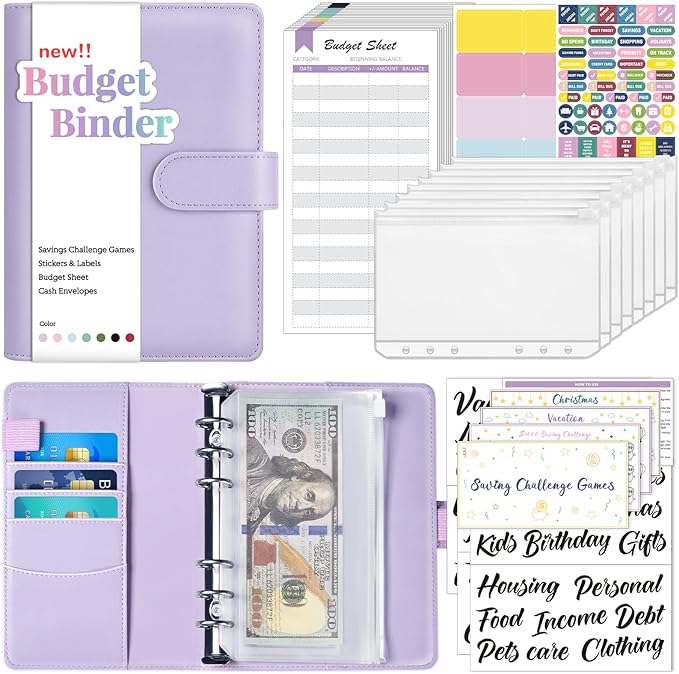
Budget Binder with Zipper – A sleek, user-friendly planner with space for tracking daily spending and long-term financial plans. Ideal for beginners and seasoned budgeters alike. [Click here]